
Purchasing an electric vehicle is an exciting step toward a more efficient and convenient way to drive. But after bringing your new EV home, many homeowners have the same question: How do I charge it at home?
While plugging in an electric vehicle may seem simple, choosing the right EV charging solution requires understanding your vehicle’s needs, your home’s electrical system, and the best location for installation.
At AVE Integration, we help homeowners navigate the process of adding an EV charger to their property. From evaluating your electrical system to installing the right charging equipment, our team provides the expertise needed to make EV ownership as convenient as possible.
Step 1: Understand Your EV Charging Options
The first step after purchasing an electric vehicle is learning about the different types of chargers available. Not all EV chargers provide the same charging speed, and the best option depends on your vehicle, driving habits, and electrical setup.
There are three primary levels of EV charging:
- Level 1 Charging: Basic Charging with a Standard Outlet
Level 1 charging uses a standard 120-volt household outlet, similar to what you would use for everyday appliances. While this option does not require special installation, it provides the slowest charging speed. For some drivers with short daily commutes, Level 1 charging may be sufficient. However, many EV owners find that a faster charging option better fits their lifestyle. - Level 2 Charging: The Most Common Home EV Charger
Level 2 chargers are the most popular choice for residential installations. These chargers typically use a 240-volt connection, similar to the electrical requirements of a clothes dryer or electric range. A Level 2 charger can significantly reduce charging time compared to a standard outlet, making it easier to recharge your vehicle overnight and start each day with a full battery. Because Level 2 chargers require dedicated electrical wiring, professional installation is important to ensure your system is safe and operating properly. - Level 3 Charging: Fast Charging for Commercial Applications
Level 3 chargers, also known as DC fast chargers, provide much faster charging speeds and are commonly found at public charging stations. These systems require significant electrical infrastructure and are typically used for commercial properties, charging stations, and locations where vehicles need to be charged quickly throughout the day.
For most homeowners, a Level 2 charger provides the right balance of speed, convenience, and practicality.
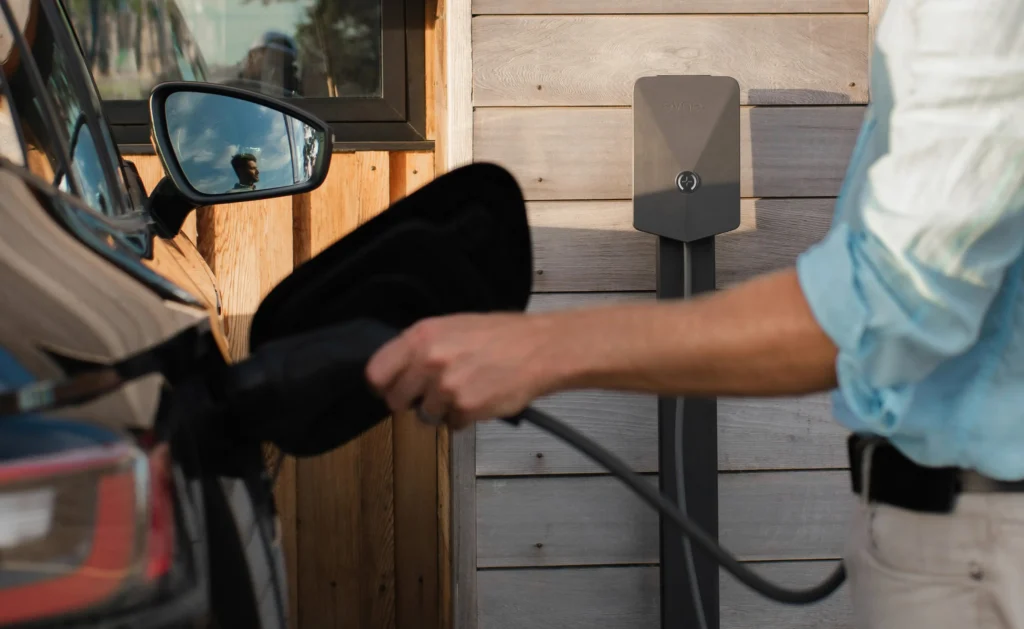
How Do You Know Which EV Charger Is Right for You?
Choosing the right charger depends on several factors, including:
- Your vehicle’s charging capabilities
- How many miles you typically drive each day
- How quickly you want your vehicle to recharge
- Your home’s existing electrical capacity
- Future EV needs if you plan to purchase another electric vehicle
A professional evaluation can help determine whether your current electrical system can support your desired charger or if upgrades are needed.
Where Should You Install Your EV Charger?
Another important decision is determining the best location for your charger. While many homeowners immediately think of the garage, there are several installation options depending on your property layout and parking habits.
Garage Installation
Installing an EV charger inside the garage is a popular choice because it provides protection from weather and keeps the equipment close to your electrical panel.
Benefits include:
- Protection from the elements
- Convenient access when parking inside
- A clean, organized charging setup
Exterior Installation
An outdoor EV charger can be a great solution for homeowners who park in a driveway, have limited garage space, or want charging access outside. Outdoor installations require equipment designed for exterior use and proper planning to ensure the charger is protected from weather conditions.
Other Considerations When Choosing a Location
When selecting the best location, homeowners should consider:
- Distance from the electrical panel
- Where the vehicle is normally parked
- Available wall space
- Cable reach and accessibility
- Future changes to parking or vehicle needs
A professional installer can help determine the most practical and efficient location for your specific property.
What Happens During an EV Charger Installation?
The installation process begins with an assessment of your home’s electrical system. AVE Integration evaluates your electrical capacity, determines the best placement for the charger, and recommends a solution that fits your needs.
The process may include:
- Reviewing your electrical panel and available capacity
- Determining the best charger location
- Installing a dedicated circuit if needed
- Running wiring to the charging location
- Mounting and connecting the charger
- Testing the system for safe operation
A properly installed EV charger provides peace of mind and dependable performance for years to come.
Make EV Ownership Easier with Professional Installation
Owning an electric vehicle should make life more convenient—not create questions about how to keep it charged. With the right home charging solution, you can enjoy the convenience of starting each day with your vehicle ready to go.
At AVE Integration, we combine electrical expertise with technology experience to help homeowners create reliable EV charging solutions that fit their homes and lifestyles.
Whether you just purchased an electric vehicle or are planning ahead for the future, our team can help you understand your options and install the right charging solution for your property.
Contact AVE Integration today to learn more about professional EV charger installation.